June 5, 2026
Why Architectural Documentation Matters
Architectural documentation asks you to slow down. Instead of looking at a building quickly, you study it patiently: wall thickness, openings, levels, proportions, material changes, joinery, damage, repairs, and the way people continue to use the space. The process feels quiet, but it is deeply revealing.
For me, documentation is not only about recording dimensions. It is a way of understanding how a building thinks: how it was made, how it has changed, what it has survived, and what knowledge it still carries.
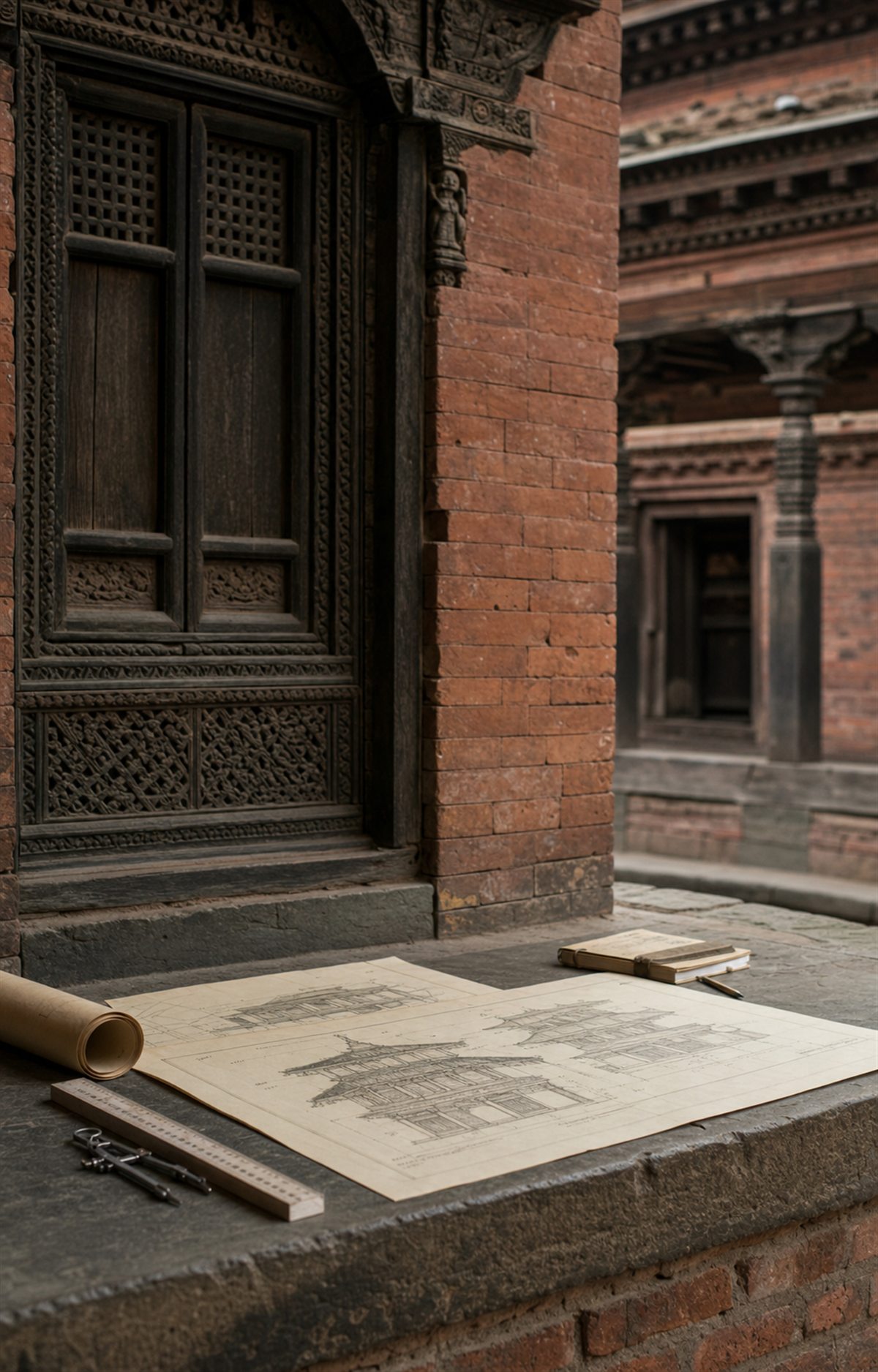
Documentation is a form of attention
Many buildings hold information that is easy to miss at first glance. A small shift in alignment may show how a structure was adapted. A worn threshold may reveal patterns of use. A timber detail, brick bond, courtyard edge, or opening proportion may carry local knowledge that was developed through climate, craft, and habit.
When we document these elements, we are not only preserving a visual record. We are preserving evidence of decisions. That evidence can support repair, conservation, study, design, and community memory.
To document a building is to study its decisions, not only its dimensions.
Measured drawings reveal hidden logic
A measured drawing is not simply a drawing produced after measurement. It is a process of discovery. As you measure and redraw, you begin to see relationships that were not obvious before: where symmetry is intentional, where it is adjusted, how openings repeat, how levels change, and how materials meet.
This kind of work trains the eye. It makes you more sensitive to proportion, junctions, scale, and construction choices. That sensitivity is useful not only for conservation work, but also for new architectural design.
Why this matters in Nepal
In Nepal, built heritage is closely connected to identity, settlement patterns, craft, and public life. Traditional streets, courtyards, brickwork, timber details, temples, houses, and community spaces all carry memory. When these places are changed without documentation, something important can disappear without even being properly understood.
Documentation cannot solve every conservation challenge by itself. But it gives future decisions a better foundation. It creates records that can be discussed, compared, repaired, taught, and protected. It moves the conversation from opinion to evidence.
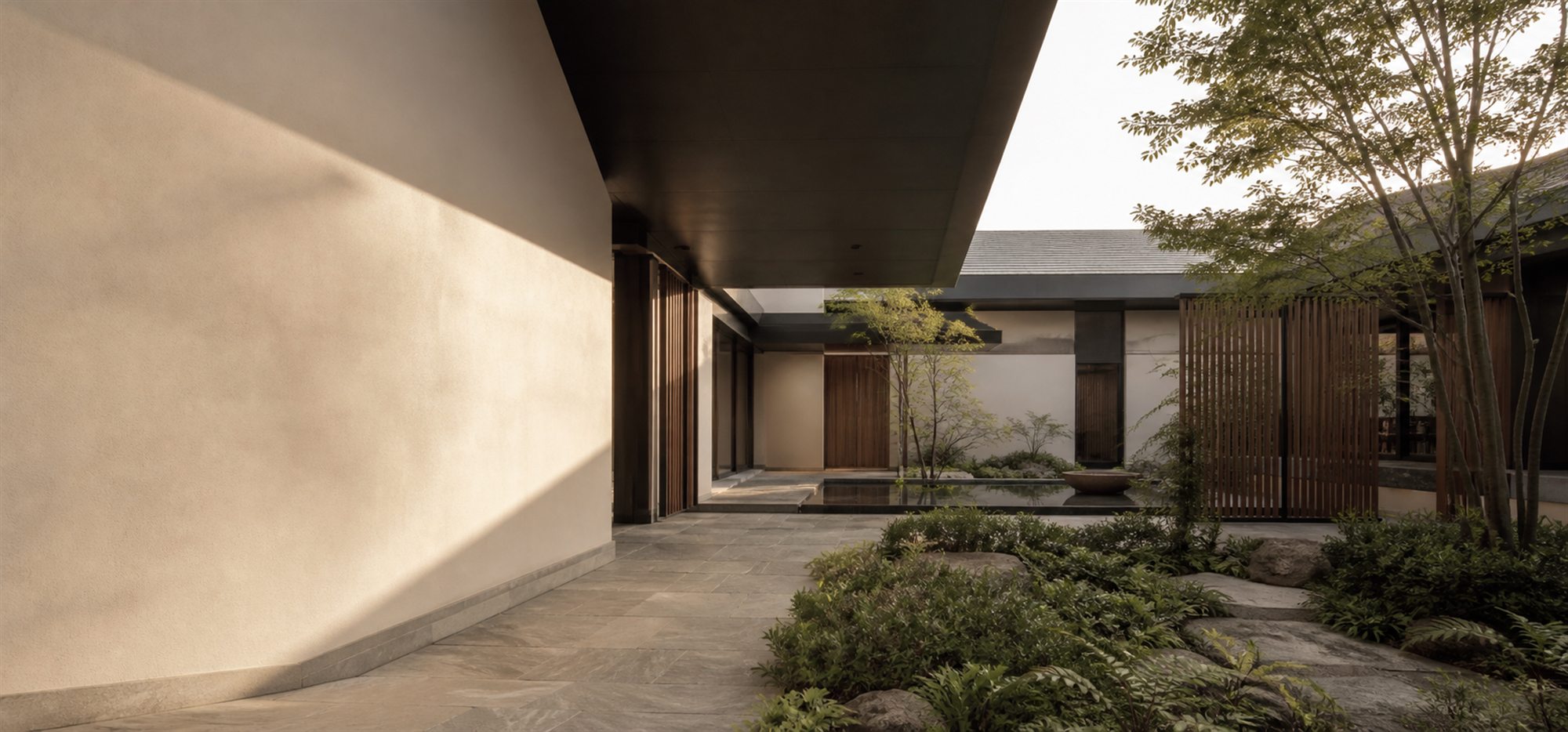
What good documentation should capture
- Plans, elevations, sections, and details measured with care.
- Photographs that record material, damage, context, and craft.
- Notes on use, access, construction methods, and visible changes.
- The relationship between the building, street, courtyard, landscape, and community.
- Small details that may seem ordinary but explain how the building works.
The value is in the small observations
Some of the most important documentation notes are not dramatic. They may be about a threshold worn down by use, a repair made with a different material, a change in floor level, or the way a courtyard edge supports daily activity. These small observations help explain how the building has lived over time.
Good documentation should therefore combine accuracy with interpretation. It should record measurable facts, but it should also help future readers understand why those facts matter. A drawing without observation can become too mechanical. Observation without drawing can become too vague. Together, they create a stronger record.
Documentation also changes how I design
The more I observe existing buildings, the more careful I become with new design. Documentation reminds me that architecture is not only about creating something new. It is about understanding context before making an intervention. It is about learning from proportion, climate, material, detail, and human use.
It also reminds me to avoid treating architecture as a purely visual exercise. Buildings are shaped by time, repair, use, weather, craft, and memory. When I pay attention to those layers, my own design thinking becomes more grounded.
This is why I consider documentation an important part of my architectural thinking. It teaches patience. It builds respect for place. It improves drawing discipline. Most importantly, it reminds me that buildings have stories before we arrive, and our work should be thoughtful enough to listen.