June 5, 2026
Designing a Home Around Everyday Life
A home should not only look beautiful in a render. It has to work through ordinary mornings, busy afternoons, quiet evenings, family gatherings, maintenance, and years of changing needs. That is why I do not begin residential design with decoration. I begin with life.
The first question I ask is not “what style should this house have?” It is “how will this space be used every day?” A house becomes meaningful when the plan supports the people inside it without constantly asking them to adjust around poor decisions.
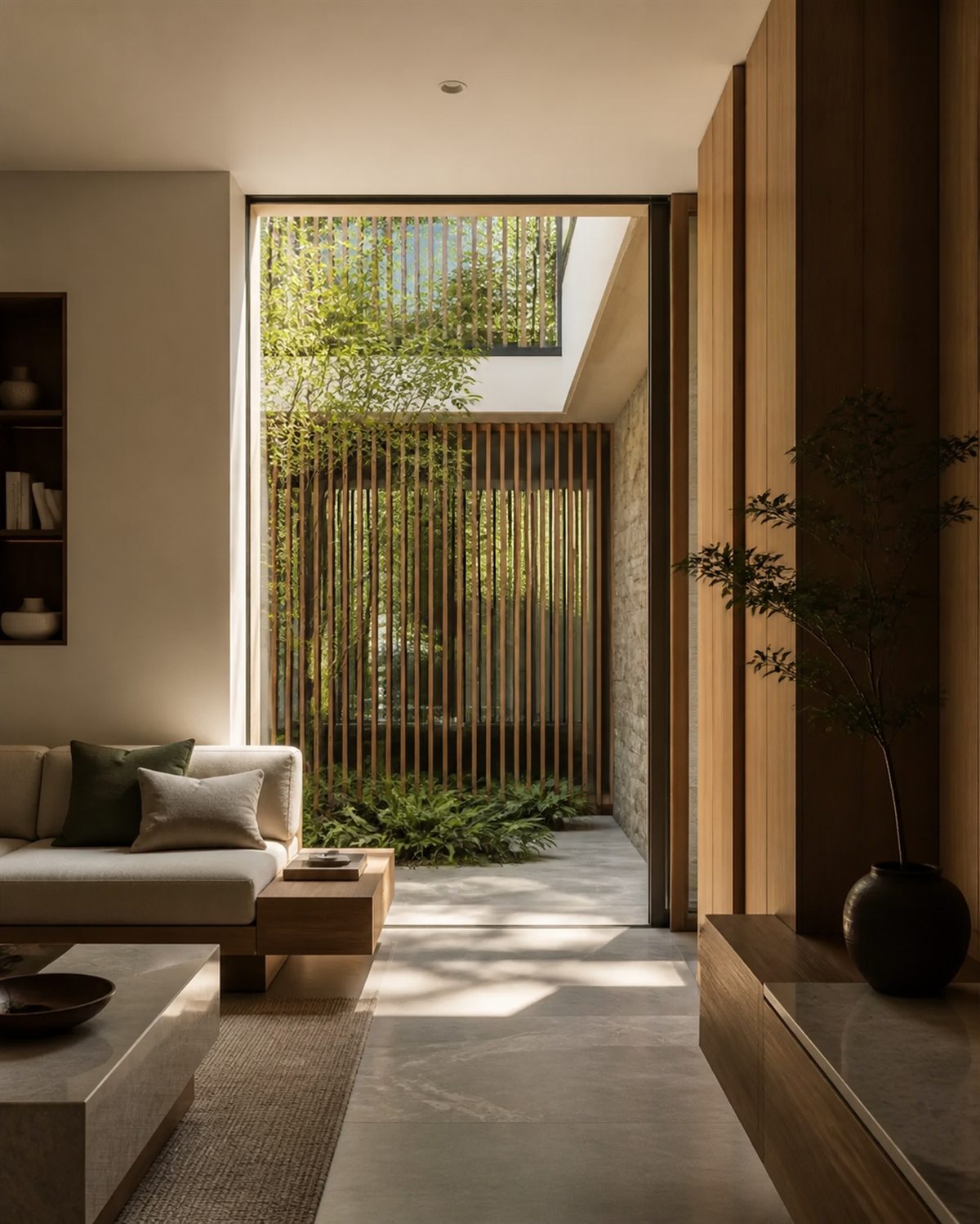
I start with the rhythm of the family
Every family uses space differently. Some homes need a strong connection between kitchen, dining, and living areas because most of the day happens around shared activity. Some need quieter rooms for study or work. Some need a clear separation between guest areas and private rooms. Some need storage to be planned seriously because everyday clutter can quickly affect the feeling of the home.
These requirements are not small details. They decide whether a home feels comfortable or frustrating. A beautiful living room that sits in the wrong place, receives poor light, or interrupts circulation will not feel successful for long. A bedroom without privacy or ventilation may look complete on paper, but it will not feel restful in use.
Planning comes before style
Before finishes, colours, furniture, or elevation treatment, I look closely at the plan. I study entry sequence, movement, room relationships, light, ventilation, privacy, service areas, and how one space leads into another. This stage is where many important decisions are made, even if they are not always visible in the final photograph.
A good plan should feel almost effortless. You should understand where to go. Public and private spaces should not fight each other. Service spaces should be practical without becoming messy leftovers. Rooms should have enough flexibility to support real life, not only the exact furniture arrangement shown in a presentation.
A good home should feel natural to use before it asks to be admired.
Light, air, and privacy are not extras
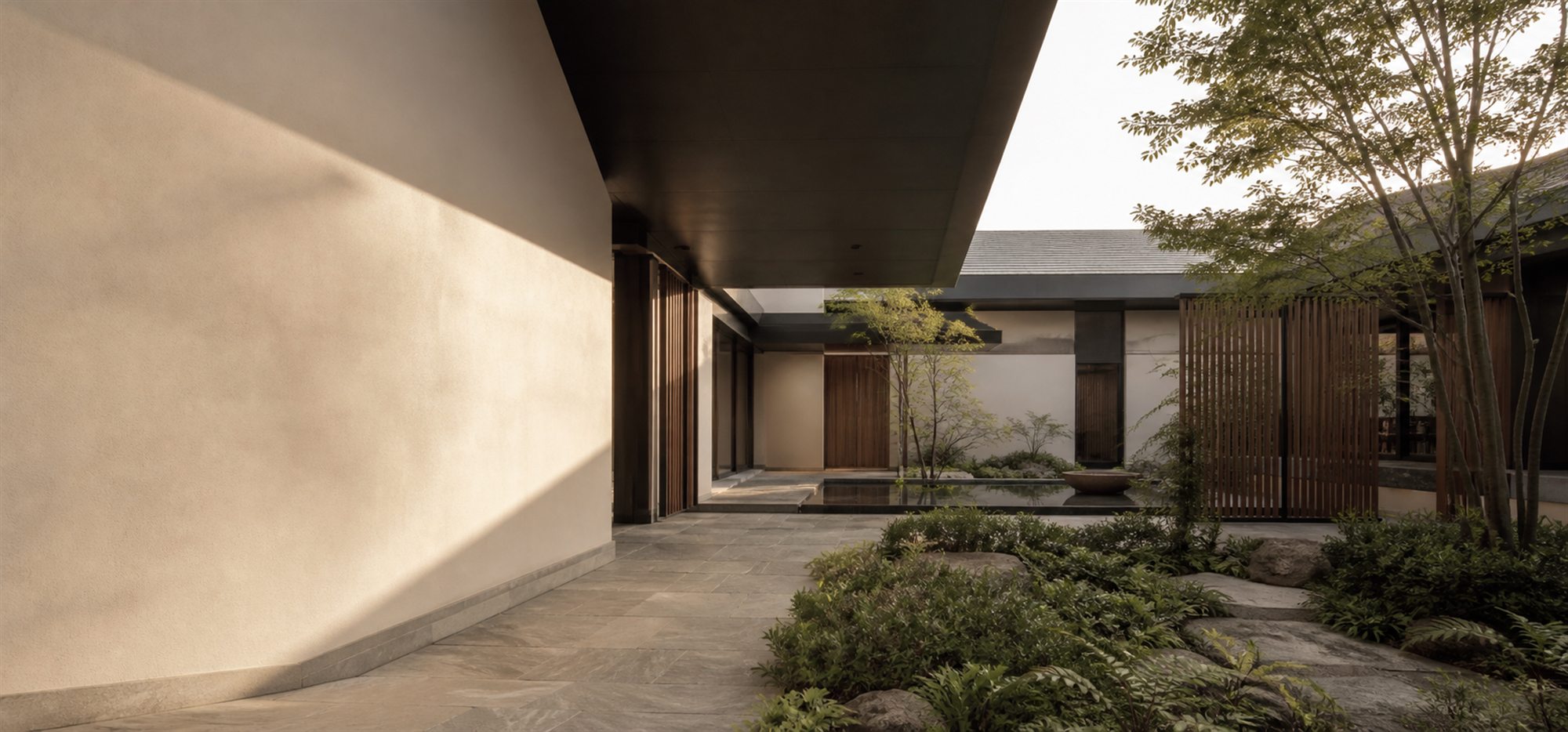
In our context, daylight and ventilation have to be treated as design materials. They shape comfort, mood, energy use, and the long-term quality of the space. I think carefully about where openings are placed, what kind of light they bring, how air moves through rooms, and how privacy can be protected at the same time.
A window is never just an opening in a wall. It controls heat, shadow, view, privacy, and the emotional quality of a room. A narrow opening, a deep reveal, a shaded balcony, or a carefully placed courtyard can change how a home feels throughout the day.
The small practical decisions matter
Residential design becomes stronger when practical decisions are considered early. Where will shoes be kept? Where does laundry happen? Can the kitchen function when guests are present? Is there a place for cleaning tools, seasonal items, or extra bedding? Can a room adapt when the family’s needs change?
These questions may not sound glamorous, but they are part of architecture. If they are ignored, the house may look clean in drawings but become difficult to live in. If they are handled well, the home feels calmer because daily life has a proper place.
What I check early in a home plan
- A clear entry sequence that does not expose private areas immediately.
- Comfortable movement between living, dining, kitchen, bedrooms, and service spaces.
- Daylight and ventilation in the rooms where people spend the most time.
- Storage and utility spaces planned as part of the design, not added later.
- A practical balance between openness, privacy, maintenance, budget, and long-term use.
Beauty should grow from the logic of the space
I enjoy visualizing spaces, selecting materials, and developing atmosphere. But I believe the visual character of a home should grow from the logic of the plan. Proportion, light, texture, and detail are more powerful when the space already works well.
For me, a refined home is not one that is overloaded with features. It is a home where decisions feel connected. The plan, openings, materials, furniture, and details should support the same idea. When that happens, the home can feel calm, personal, and lasting without needing to be loud.
That is the kind of residential design I want to keep developing: spaces that are practical enough for daily life, thoughtful enough to age well, and beautiful because they are carefully understood.