June 5, 2026
From Drawing to Site: Keeping Design Clear During Construction
Architecture becomes real in the space between drawing and site. A plan may look resolved on screen, a render may communicate atmosphere clearly, and a presentation may convince everyone of the direction. But when work reaches the site, every decision has to become buildable, understandable, and coordinated.
This is why I see drawings not as formal paperwork, but as a working language. They help different people understand the same intention: the client, designer, contractor, site team, vendors, and consultants. When that language is unclear, the project starts depending on assumptions.
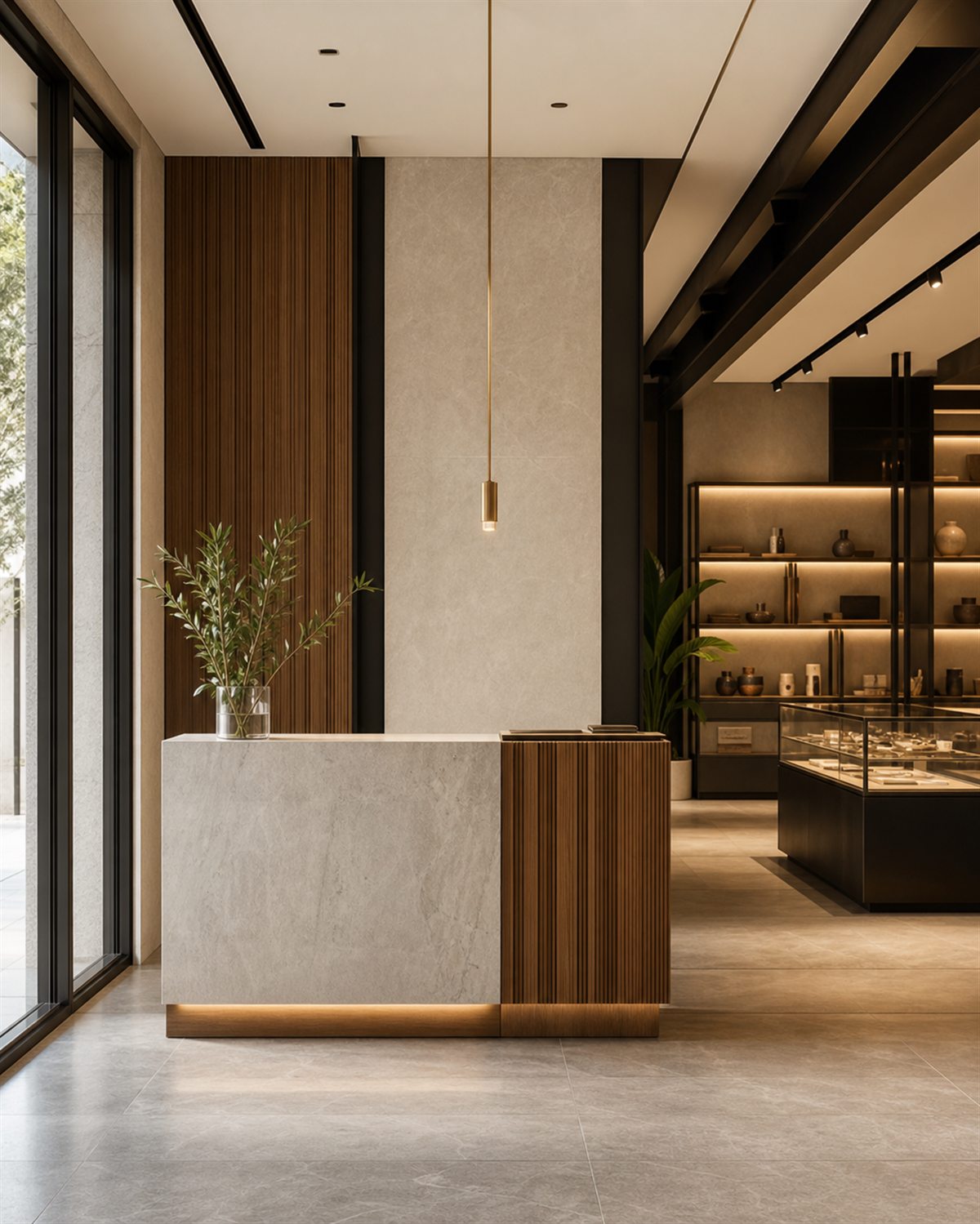
A drawing is a promise that needs detail
In a drawing, a wall may look like one clean line. On site, that line becomes structure, thickness, alignment, plaster, finish, junctions, openings, cost, and labour. A ceiling may look simple in elevation, but it may need to coordinate with lights, services, beams, access panels, and material joints.
The more I work between drawings and site conditions, the more I understand that design clarity depends on detail. Not unnecessary complication, but enough information for others to make the correct decision without guessing.
A good drawing does not answer every possible question, but it should reduce unnecessary confusion.
The site tests design decisions honestly
The site has a way of revealing what is strong and what is weak in a design. If a dimension is too tight, it becomes obvious. If a detail is not coordinated, someone has to solve it quickly. If a material is unavailable or difficult to execute, the design needs adjustment without losing its main intent.
This does not mean that drawings are less important. It means drawings and site observation should work together. A project becomes better when the designer understands both the intended space and the practical conditions that shape it.
Visualization helps, but it should not replace documentation
Renders and 3D views are extremely useful, especially when clients need to understand atmosphere, material, lighting, and scale. Many people respond more naturally to an image than to a technical plan. But visualization should support documentation, not replace it.
A render can show how a wall finish might feel. A plan explains where the wall sits. A section explains height and volume. A detail explains how the material meets another surface. Together, these tools create a clearer project conversation.
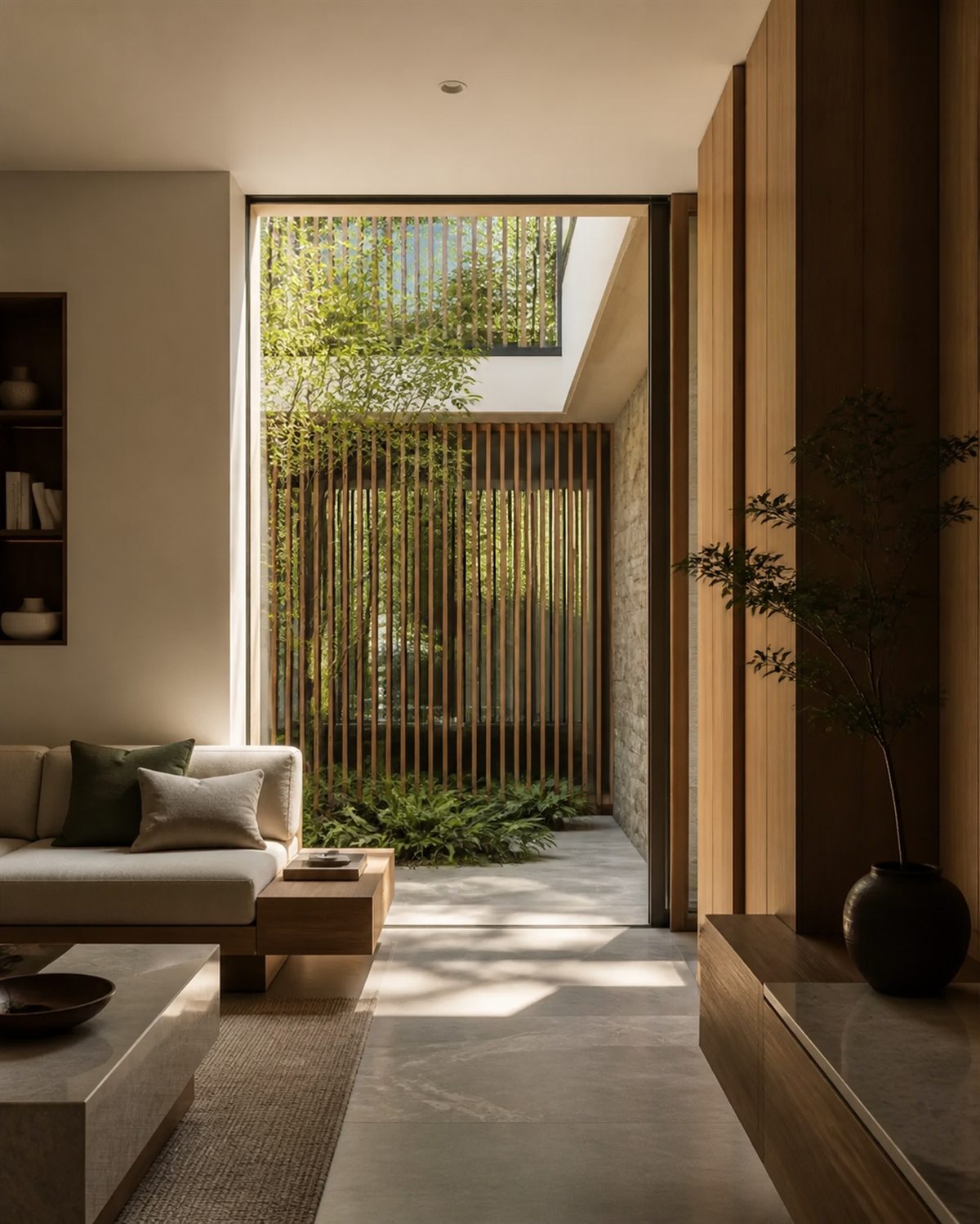
What usually changes between drawing and site
- Dimensions are verified against actual site conditions.
- Material choices are adjusted according to availability, budget, and workmanship.
- Details are refined when structure, services, and finishes meet.
- Client decisions become more specific after seeing physical progress.
- The design team has to protect the main idea while responding to practical constraints.
Coordination is a design skill
I used to think of coordination as something separate from design, but it is deeply connected. A space can lose its quality through small uncoordinated decisions: a switchboard placed awkwardly, a ceiling line interrupted, a material joint ignored, or a service requirement discovered too late.
Good coordination helps the design stay calm. It creates fewer surprises, clearer responsibilities, and better execution. It also respects the time and effort of the people building the project.
The client conversation also changes on site
When a client sees work physically taking shape, the conversation becomes more specific. They may understand the height of a partition, the openness of a room, or the effect of a material more clearly than they could from a screen. This is a useful stage, but it also needs discipline.
If every site discussion becomes a new direction, the project can lose clarity. I try to separate decisions that genuinely improve the work from decisions that only react to temporary uncertainty. A good site process keeps the client informed while protecting the larger design intention.
What site experience has taught me
Site exposure has made me more practical, but not less design-focused. It has taught me to think about sequence, tolerances, material behaviour, communication, and the need to draw clearly. It has also taught me that architecture is not finished when a presentation looks good.
For me, the strongest projects are not the ones where the drawing is treated as untouchable. They are the ones where the design intent remains clear while practical decisions are handled carefully. That is the discipline I want to bring into my work: clear drawings, thoughtful visuals, honest site observation, and calm coordination from idea to execution.